作 者:龚如仲(美国)
海外头条总编审 王 在 军 (中国)
海外头条副编审 Wendyh温迪(英国)
海 外 头 条总 编 火 凤 凰 (海外)
图片选自百度

命运被转移的男孩
第二部分:快乐而迷茫的男孩
文/龚如仲(美国)
在父母的经心呵护下,我一天天成长着。尽管那个年代可供孩子们选择的玩乐方式实在有限,但精力过于旺盛的我依然可以找到不少享受快乐时光的办法。除了“斗鸡”--- 对阵双方均双手抱起左脚使左腿弯曲,右腿独立,然后双方用左腿膝盖作“武器”,攻击对方,把对方拱倒者为赢家。“叮铁”,就在在地上画一方格,一方将一块废铁放入格中,另一方站立,用一块废铁垂直叮向地上的铁块,如能将其砸出方格外,就可将此铁块收入囊中。如不能成功,则将自己的铁块放入格内,由另一方来叮。“拍香烟牌子,就是地上画一方格,一方将处理平整的香烟纸放入格中,另一方用手掌用力拍地,将其拍出格外。如成功,就可将拍出方格的香烟纸占为己有。“打弹子”,就是用玻璃球弹击另一方的玻璃球。“跳马”,就是一人弯腰,双手扶腿,半蹲成“马”状,另一人或多人从此人身上跳过。这些都是“小儿科”级别的娱乐方式。除此之外,偶而冒点险也是时有发生的。
记得十二岁那年的一个夏天,我瞒着父母,偷偷地把五六个十岁左右的小男孩带到离家颇远的、上海近郊一个叫头道桥的地方。到了那儿之后,大伙儿便跳进一条不太深的小河中玩起了戏水。等到我们玩够了,套起半干半湿的衣裤,拖着疲乏的脚步,于傍晚时分回到各自家中时,那些男孩的父母们马上便发现了我们擅自下河玩水的秘密。于是他们先后来到我家,纷纷在我父母面前“”控告”我这个“带头大哥”的“罪行”。家长们气愤地对我父母说道:”如果有孩子淹死在河中,谁负得起这个重大责任”?我父母自然是诚惶诚恐地向人家不断道歉。等到告状者悻悻离去,气急了的父亲把我狠揍了一顿,那是我由生以来受到的最重的一次体罚。
不去玩水了,干脆练跳高。由于缺少运动场地和器材,愚昧的我竟把一根结实的细竹竿的两端分别插入弄堂口两边的墙缝中,竹竿被死死地固定了。然后我便从远处起跑、奔向竹竿,试图征服这一高度。想不到自己跳得不够高,我不但未能越过竹竿,反而被它挡住,于是我便头朝下、重重地摔倒在石子铺成的路面上。等母亲把我这个满头鲜血的“运动员”送到医院施救时,这才发现,我的前额被磕开一道不浅的大口子。直到今天,我对着镜子仍可依稀看到这道伤疤的痕迹。
当冬天来临时,我有时会趁到姨妈家做客的机会,拿着长竹竿和比我小五岁的外甥女雨笙玩“竹竿敲冰”的游戏。我将竹竿伸向屋檐,设法把垂挂在那儿的冰柱敲下来,而雨笙小姐则小心翼翼地用双手拉起衣襟去接掉下来的冰块。收获冰块后,我们会把冰块纳入口中,津津有味地享用着这些免费的“棒冰”(北方人叫“冰棍”)。

随着时间的推移,我从小学生变成了中学生,我已不再留恋那些儿时的游戏。由于臭味相投,我放学后经常和班上四个和我一样爱读神鬼、侠义小说的男生玩在一起。等大家越玩越投机之后,我们五个人干脆就跪倒在我家观音大士的画像前(我母亲信佛,家中供奉观音),结拜为如同“刘关张桃园三结义”般的异姓兄弟。
虽然我们当时没有“战吕布”、“抗曹操”的“英勇壮举”,但我们五个少不更事的浑小子满脑子琢磨的是如何逃离家门,到四川峨眉山找“高人”学道术、练武艺。后来终于决定:大家提前准备点衣服和银子,在一个星期六的清晨到我家弄堂口会合,然后一起前往峨眉山。想不到其中一个兄弟星期五晚上临睡前偷家里钱时露出了马脚。于是乎,他的父母连夜紧急通知了其它四兄弟的家长。其结果,我们兄弟五人不但学道未成,反而人人挨了一顿暴打,“上山修练”的梦从此了结。
在我少年时代,除了玩耍、冒险、享受快乐外,有时也处于迷茫之中,因为我常常弄不懂在大人们中间到底发生了什么事情。
比如,全国大炼钢铁期间,马路上满墙贴的都是“大炼钢铁,超英赶美”的大标语,有的地方还张挂着“十五年超过英国,二十年赶上美国“的大横幅。那时候的中国人显示出来的是异乎寻常的爱国热情。家家户户都把家中可以找到的铁器捐献出来,甚至连家中作为备用的铁锅、菜刀都统统缴了公。我亲眼看到弄堂口那扇用于保护居民安全的大铁门也被“积极分子们”拆走,和其它铁器一道,被送到位于街口的“土高炉”里去炼钢。但可惜的是,从“土高炉”里炼出来的却是一坨坨废铁。
又比如,轰轰烈烈的“消灭四害”(也叫“除四害”)运动开始了,我们这群小屁孩兴奋地跟在大人们后面,拼命地对着树上栖的、天上飞的麻雀们大声喊叫。大人们则玩儿命地敲锣打鼓、挥舞红旗,一波又一波地驱赶着那些可怜的小鸟。经过一天的喊叫和无休止地驱赶,许多累极了的麻雀便从空中摔到了地上。可是过了不久,又听大人讲了:虽说麻雀偷吃稻谷,“损害人民的利益”,但它们吃得更多的却是害虫。所以不能再把这功过相抵的麻雀与罪大恶极的苍蝇、蚊子和老鼠同列为“四害”了。为了凑齐四种害虫,于是人们便把蟑螂列入四害之中。所以中国人心目中的四害便是苍蝇、蚊子、老鼠和蟑螂。就这样,我在快乐与迷茫交织的环境中渐渐长大成人。
***此文选自拙作【岁月如重---兼谈华国锋】之第一章“命运被转移的男孩”

Chapter 2: Young Adult
Posted by Ralph Gong
(1)
Under my foster parents’ loving and meticulous care, I was growing healthily day by day to be a naughty boy.
Back in the early 1950s in China, there were few entertaining facilities available for kids. Boys of my age therefore were forced to find our own ways to kill the time.
We played such games as “Hide-and-Seek”, “Street-Running” and “Tree-Climbing”. For me, two games were particularly interesting. I had so much fun with them. They were “Roosters Fighting” and “Scrap-Iron-Dropping”.
Roosters Fighting follow these rules: two boys must stand straight, facing up to each other at a certain distance. Then each boy should use right hand to grab his left foot to right above kneecap of the right leg. As a result, his left knee would be pointing out. Both parties, thus, could use their pointed left knee as a weapon to strike against each other while supporting their bodies using the right leg hopping around. The one who won the game was the one who struck down the other.
The game of Scrap-Iron-Dropping allowed only two players involved. Those two boys must collect in advance some small pieces of scrap iron either from their homes or on street corners or elsewhere. One of the two boys should start the game by drawing on the ground (mostly the cemented ground) a reasonably-sized square. And then, Boy A would put a small piece of iron in the center of the square. Boy B, the opponent, would stand straight and take a small piece of iron in his right hand and aim at the targeted iron-piece inside the square, making sure that his iron taken by his right hand would accurately strike the targeted one on the ground. Once the above-mentioned actions were done, Boy B could drop his iron naturally and vertically on the targeted iron with the aim of getting it out of the square by gravity. If Boy B successfully did it, he won the game and he could have the right to possess that piece of iron. If not, Boy B should place his scrap iron in the center of the square and let Boy A do the same action of iron-dropping.
The reason why I was fond of playing the above-mentioned two games were partially that Roosters-Fighting could show my bravery. Not to boast of myself, I was indeed one of the best fighters among my fellow players at that time. And Scrap-Iron-Dropping could help me earn a little bit pocket money. If my “dropping gains” were big enough, I could even sell the waste iron to a reclamation depot in our community.
Recalling those times, there was an “insignificant incident” which lingered in my mind throughout the years. It occurred when I was twelve years old.
One sunny afternoon during my summer vacation, I summoned five or six neighborhood boys, aging from nine to eleven, to a place called “the First Bridge” in the suburb of Shanghai. We went swimming and played some water games in a river there.
Though the river was not far away from our homes, none of us dared to tell the parents where we were going and what we would do before setting off.
It was indeed a wonderful and amazing feeling jumping into the river and starting to swim and frolic at random. Out of the river and putting on our half-wet clothes, we walked slowly back home. As we were very tired, we did not get home until sunset time. Not long after I got home, something really bad happened.
The parents of those boys who were with me in the afternoon, discovered the “secret” of our going to the countryside for water games. They rushed to my home one after another with the purpose of meeting with my parents and complaining about me, the “Culprit”, who was those boys’ Leading Brother. They declared to my parents that my “venture” of leading their kids to a dangerous country river was big wrong-doing, and warned my parents in a serious manner that if any kid were drown in the river, we would be responsible for the tragedy.
Under such circumstances, my parents could do nothing but made humbly and sincerely apologies to those “prosecutors” while promising to them that the “trouble-maker” would be severely punished.
After seeing off the “prosecutors”, my father was so furious that he couldn’t help himself any longer. He gave me a good spanking.
So be that the end of water-frolicking. But I quickly decided to engage myself in another passion: high-jumping, which led to more incidents in my life.
I got passionate about high-jumping because I believed that with my height, it was promising for me to become an “outstanding high-jumper”.
In the early years of 1950s, China was still quite poor. Public sports facilities were rarely available. To find a suitable place around our community to practice my high-jump was almost impossible. But I was such a “smart young adult” that I easily found a solution to that: a narrow alley adjacent to my home. As per my eye measurement, the width of this alley was less than three meters apart. I managed to obtain a tiny and thin but durable bamboo pole, chopped off a few inches on one end of the pole so that the amended pole could well fit the alley width. I inserted one end of the pole into a hole in one alley wall, and placed another pole-end to a hole of the opposite wall.
When the pole was firmly fixed in both holes between the two alley walls, I began the warm-up exercises before embarking on the actual jumping. When ready, I walked to a certain spot which was about four meters away from the pole. Then, pumped up with enough self-confidence that I would easily jump over the height, I “gracefully” dashed towards the fixed bamboo pole…
Unfortunately, I failed. By trying to jump over the fixed pole, I fell down to the gravel ground and hit myself heavily.
I did not realize that there was a big cut on my forehead. By the time my Mom sent me to the community hospital for the first-aid, the face of the proud “sportsman” was bleeding terribly. Even today, one can still see the scar indistinctly if looking carefully.
From time to time in winter, my mother would take me to visit my aunt, whose home was not far away. If the weather was extremely chilly, say after snowing, I would invite Yusheng, the grand daughter of my aunty, to go out to have fun in the cold with me. What we loved to do together was to use a long and thin bamboo pole to knock the small icicle from the eaves of our next neighbor’ house. When the icicle was loosened, ready to be knocked off, Yusheng would be always most happy to pull her cotton-padded overcoat out in order to catch and hold the icicle. Once having collected enough of it, we would share the gains, respectively putting the icicle into our mouth, tasting the icy stuff as if they were delicious ice bonbons.
(2)
As time went by, I grew from a pupil to be a middle-school student. Passion for kids’ games took a turn and left me. Instead, I started to find big pleasure in reading Chinese classic literature, especially those mythical novels.
There happened to be four boys in our class, who shared the interest with me. This “common language” strengthened our friendship and made the five of us into intimate friends. We even decided to become the so-called “Sworn Brothers”. One day, I invited the four boys to my home. As my mother believed in Buddhism, the Five of us knelt down piously in front of a portrait of Buddha Guanying (the Goddess of Mercy), going through the ceremony of becoming Sworn Brothers by swearing into “brotherly relationship”.
A Chinese saying goes like this: “Things of a kind come together, people of a mind fall into the same group”. None of us five brothers was a hard-working student who would concentrate on his classroom learning. What we really liked to do was to learn the Chinese “Gongfu” (martial arts) well. The reason was simple: all of us five were crazy about those heroic figures who appeared in the Chinese classical or mythical novels.
In those times, people did believe that the true Chinese Gongfu Masters could only be found in the deep forests of some well-known mountains, like Mount Emei in particular. Mount Emei is situated in Sichuan Province in China. It is as high as 3000 meters.
In order to go to Mount Emei to learn the true Chinese Gongfu, we five brothers reached an agreement that we would play truant, leaving Shanghai for Mount Emeil as soon as possible. A few days later, we decided to take the train to Chengdu, the capital city of Sichuan Province. From there we would get to Mount Emeil quickly. We also decided that we must do some preparation work, such as having enough money, taking some solid food and getting some warm clothes. It was planned that we would gather together at my alley’s entrance on the early morning of the coming Saturday. Thus, all our preparation work must be done on or before Friday night.
The plan seemed to be carried out perfectly! But nothing could be perfect.
It sounded like a joke but exactly on that Friday night, one of the us was caught red-handed by his Mother when he stole the money from his home. After questioning her son and coming to know about the secret, the hot-headed Mother immediately visited the other four families. One after another (at that time, no home had the telephone facility), she told the parents of the other 4 brothers about the bold plan.
As a result, our “fleeing plan” went up in smoke. What’s even worse was all Five Brothers were badly beaten up at home.
(3)
Being indulged in game-playing, naughty venturing and pleasure-seeking during my early youth, I sometimes felt a bit confused about things happening around me. I couldn’t understand why the adults around me would sometimes embark on strange or unreasonable matters.
Starting in the year of 1958, for example, Chinese government began to implement a so-called “Big-Leap-Forward ” policy. One important thing related to the implementation was to mobilize the citizens all over the country to try as hard as possible to produce steel and iron. The main argument for the policy at that time was, we should make a lot of steel and iron to industrialize China so that it could be powerful enough to surpass or catch up with those major capitalist countries in the Western World.
At that time, if you walked out, you could see an interesting phenomenon. Everywhere, in the streets or on the residential buildings, were such political slogans as “Striving to produce steel and iron in order to catch up with the USA and surpass the UK”, or “Surpassing the UK in 15 years, and catching up with the USA in 20 years”.
For the sake of making more steel and iron to support the country’s policy, the Chinese people across the whole country showed unusual enthusiasm. Almost every household in my community did the utmost to search for some scrap iron at home. If no waste iron or steel could be found any more, people would contribute some of their daily-using iron-steel-made tools or utensils such as knives, pots or even hammers to the community authority. The iron-steel-made stuff would be regarded as the raw material for steel-making, being sent to a refractory-brick-made furnace for “steel-making”.
One such steel-making furnace was just located on the roadside near the entrance of my alley. I saw with my own eyes the whole process of how some “activists” in my neighborhood dismantled and crashed the huge and heavy iron door into pieces, sending the iron pieces to the furnace for steel-making (for your information, the iron door was installed for the purpose of protecting the residents inside the allay. After the door was dismissed, the safety of the residents was no longer guaranteed).
But even if the Chinese people worked so selflessly and passionately for the country’s “Steel-Making-Project”, the result was not ideal, because none of the steel or iron billets or products coming out of those backward furnaces was qualified. In other words, they were themselves scrap iron.
The other national movement, called the “Campaign of Wiping out the Four Pests”, confused me, too. In the year of 1956, the Chinese Committee of Patriotic Health Movement declared that the four creatures of Mouse, Fly, Mosquito and Sparrow were pests and must be killed. It was understandable that mice, flies and mosquitoes were malicious because they could transmit diseases to the human bodies. “But why treating sparrows, those poor little birds, as pest or bad creature, too? Why must they also be facing the death penalty”? I couldn’t help wondering.
On the morning of a summer day, I followed a huge group of people, like other kids, to see how the adults wiped out sparrows.
They waved big red flags, beat gongs and drums while shouting loudly to the sparrows that were resting in trees, on house eaves or catching worms on the grassland. Overwhelmed by the noises, those poor birds were so scared and frightened that they could think of nothing more than flying into the air, trying to escape. But people kept on waving the red flags, beating the gongs and drums while shrieking loudly for hours. Thus, many tired-out sparrows would simply fall down onto the ground, half dead.
Later, the Patriotic Health Movement Committee changed the policy by releasing a statement, saying that “even though sparrows eat crops and grains, harming people’s interest, those birds also catch and eat bad worms. The account of sparrows’ merits and demerits, so to speak, was square.” After a while, a new list of “the Four Pests” came out. They were Mouse, Fly, Mosquito and Roach.
The incidents of those years never left me, accompanying me and witnessing my growth. I was sometimes happy and sometimes confused, an unforgettable teenage time, indeed!
(END)
About the Author:
Ruzhong Gong (Ralph Gong), born in Shanghai, China, now living in the USA.
Graduated From the English Department of Universityof International Business and Economics, Beijing, China
Before retirement, President of an USA overseas company under China National Light Industrial Products Imp. & Exp. Corp.; President of a joint-venture company in USA, jointly owned by Australia’s Lief Group Company and China National Chemical Products Imp. & Exp. Corp.; President of an American Brach Corp. under China National Foreign Trade Bases Corp.; Chief Representative in Beijing Office under Trade Am, an American Carpets Wholesale Company.
Author of 6 books, including “My Life—Family, Career & VIPs”, “How to Do Business in Mainland of China”, “My Leisure Time”, “My Leisure Time—Poems & Articles” , “Poems and Essays from Leisure Chamber” and “Flowers By My Side”.
Member of the Chinese Poetry Society (CPS), Free Lance Writer for Austrian Sinopress, and Senior Consultant for Taiwan Caiwei Publishing House.
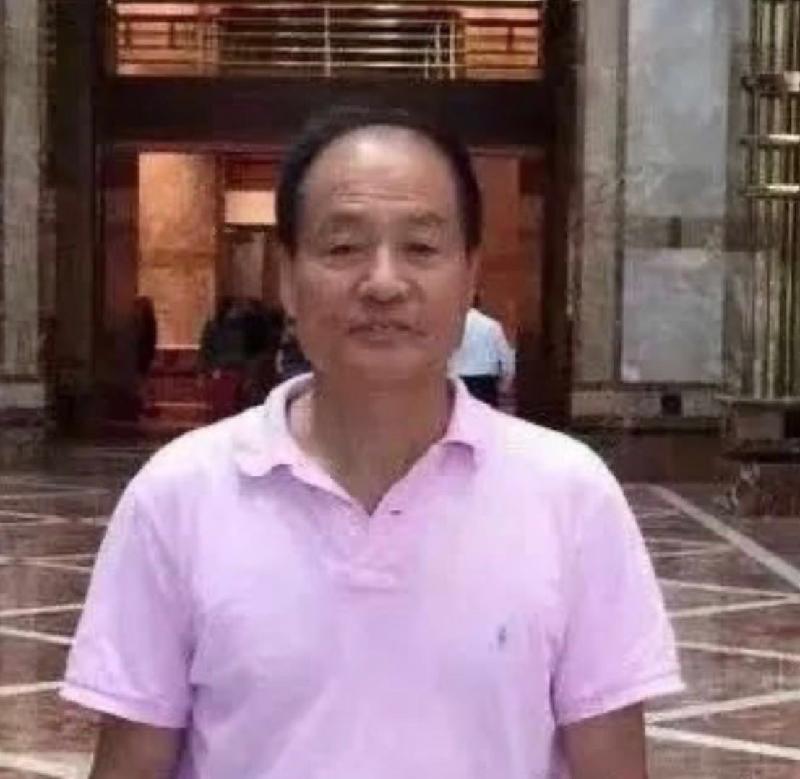
龚如仲:生于上海,中国对外经济贸易大学英语系毕业,毕业后奔赴非洲任铁道部援建坦赞铁路工作组总部英语翻译,中国国际广播电台英语部英语播音员、记者,外贸部中国轻工业品进出口总公司出口二处业务员、副处长,外贸部轻工业品进出口总公司驻美国公司总裁(处长)。
有关作品:
自2012年至2016年,台湾采薇出版社出版自传【岁月如重】(该书已被香港中文大学图书馆、美国纽约市立图书馆和澳大利亚国家图书馆作为自传体作品正式收藏),【东西南北中国人---细谈如何在大陆做生意】,【悠然时光】和【悠然时光---如仲诗语】。
2018年4月,中国国际广播出版社出版【悠然斋诗文选】
2018年9月,中国国际广播出版社出版【花儿在身边开放】
2019年4月,台湾采薇出版社出版英文书【My Life—Family, Career & VIPs】
作者现为中华诗词学会会员、中国经典文学网特约作家、台湾采薇出版社资深顾问、奥地利英文网Sinopress特聘专栏作家、北美北斗星文学社副社长、副总编辑。