精华热点
精华热点 
【作者简介】楊柳,原名郭曼武,字泰兌,筆名 楊柳。畢業於湖南師範大學,執教二十三年。現為香港永久居民,香港兒童文藝協會永久會員,香港科普科幻教育中心會員,香港少年兒童诗歌協會理事。香港作家,著有散文集、詩歌集、小小說集、科普童話集、科幻玄幻長篇小說等多部作品。二0二六年一月十六日於新加坡,科幻長篇小說《星夢》、科普童話集《小龍仔求學記》分别榮獲「國際冰心文學獎」和「世界華語文學獎
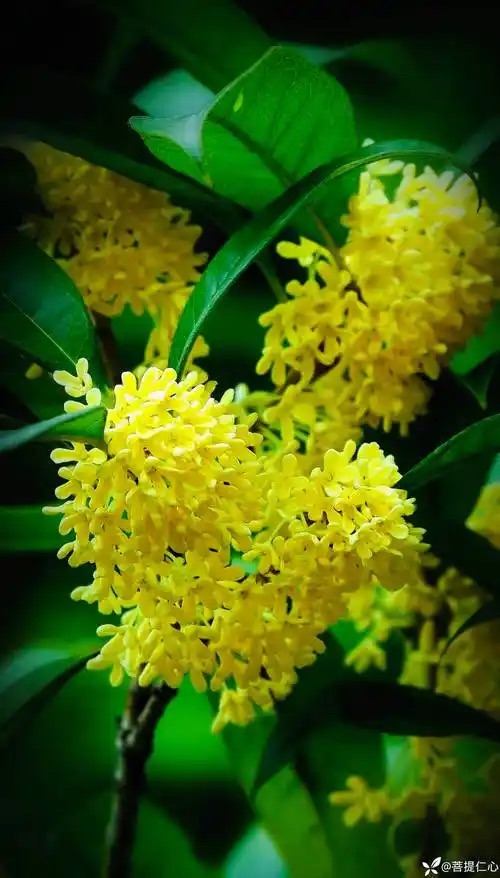
宝岛八月桂花香
作者:杨柳
朋友,您知道吗?
当一个人一天天年长、逐渐老去的時候,拥有最多最珍贵的东西是什么?
是金钱吗?是房产吗?是功勋吗?是英名吗?
都不是
那又是什么呢?
是記忆
那丰富的记忆,會像五彩的丝带,萦绕着自己,伴随着自己,不离不弃。
记得那是一九六六年八月的一天夜晚, 我和女友丽明坐在静静流淌、波平如鏡的小河边。皎洁的圆月,在水中张开了笑脸,召唤着远处几颗眨着眼睛、羞羞答答的星星。那月中桂花树上一簇簇的黄色小花,散发出的一缕缕清幽的香气,悠悠地飘溢开去,像是要把那袭披在大地上的白色轻纱,也变成桂花的故乡。
小河边的原野上,不时有蝈蝈儿在低声吟诵, 有蛐蛐儿在轻轻淺唱,只有水稻田里的青蛙,不顾夜色的暗示,时不时地引亢高歌。那林中熟睡的小鳥不甘示弱,在梦中也要把笑声发送向黑白的天幕。
天地之间,此时此刻,就是一个活灵活现、情趣盎然的童话世界。
我和丽明,依偎着,沒有山盟海誓,没有海枯石烂,只将心中合唱的《康定情歌》,与蛙声、蝈蝈声、蛐蛐声、小鸟梦中的笑声,交融在一起,成为了这童话世界中的一对小小人。
老天爷成全,我和丽明「有情人終成眷属」。
一九八六年八月的一天,她从珠光宝气、灯红酒绿的香港过来,在广州和我团聚。晚上,我俩在珠江畔漫步。月亮仍然是那样的团圆,月中的桂花依然是那样的香甜。她拉着我的手,一字一句地教我唱《月亮代表我的心》、《千言万语》, 一字一句地教我唱《甜蜜蜜》、《何日君再来》。从此,「邓丽君」这个名字便永远住进了我俩的心里。
老天爷是那么的多情,却又是那么的无情。就在第二年冬眠春醒之际,在香港借用骇人交通事故,将丽明带上了天庭。一下子,将我的美梦砸了个粉碎……
「飞机即将降落高雄机场,请各位旅客扣好安全帶! 」
女空中服务员温和的声音响起, 将我从深沉的回忆中拉了回来。我抹了一把脸上的淚水,默默道:「高雄,台湾,这陌生而又似曾相识的宝地,我来了! 」
四十年前,丽明来过,捧着一束鮮花。而今,我来了,没有鮮花,但有一张张亲切的笑脸,热情地对我说:「先生,欢迎光临! 」
这次来台湾,是参加在台南举行、为期三天(8月21日至8月23日)的第十七届亚洲儿童文学大会。这次大会以「儿童文学与SDGs(联合国永续发展目标) 」为主题,探讨如何用儿童文学推动生态保育、社会平权、永续教育等议题。
会议结束后的第一天,我便乘车去新北金宝山筠园。那里,是为歌唱艺术奋斗一生的巨星--邓丽君,长眠的地方。
开车的帅哥很健谈,不断给我讲述台湾的故事。 他侃侃而谈,我听得津津有味。
小车行到台北市南港区附近的时候, 我突然聞到了一缕淡雅的清香。
「八月桂花香! 」
我顿时兴奋起来,问司机帅哥:
「台湾也有桂花?」
他似乎习以为常,淡然一笑,平静地說:
「西元1700年前沒有,西元1700年后有了。 」
司机帅哥的话风趣幽默, 我像是一下子被拉进了时光隧道。接着,他就滔滔不绝地给我讲起了台湾的桂花史。
原来,台湾的桂花是公元一七OO年左右由大陸华南地区引进来的。开始只栽种在庭院,作观赏之用。但因桂花能入茶入药,有人看準商机,便大量种植培育。据统计,现在台北市南港區的桂花树多達兩万株;新北市石碇区建立了以桂花为主題的农园;南投县名间乡,保存着完整的桂花老林,其「桂花森林」拥有上百年历史的「桂花园」。而台南市白河区的关子岭,则有两旁成列的桂花老树在空中首颈相拥,交合成了弧状美丽的「桂花巷」,堪称世界一绝。
我正在回味司机帅哥讲的台湾桂花,又听他说:「台湾不仅有出名的桂花,还有著名的描写桂花的人呢! 」
我好奇地问是谁,他又口若悬河地讲了起来。
这位台湾著名的女作家, 就是中外闻名的散文大家琦君(1917–2006)。
琦君的作品,文笔温婉纯厚,情感浓郁真挚,被广泛地收纳于两岸三地的的中小教材及相关参考系书籍中。 如《桂花雨》、《春酒》、《月光饼》、《下雨天,真好》、《妈妈的手》等等。
尤其是以「摇桂花」为乐、回忆故乡院子里金桂盛开情景的《桂花雨》,更是脍炙人口,家喻户晓。
看着司机帅哥从容道来的神情, 我的眼前不禁浮现出三位豆寇年华的青春少女美丽形象。
一个鮮活的回忆油然升起。
那是我抵达台南当天的下午五時,因为人生地不熟,我必须在天黑前, 找到召开亞洲儿童文学大会的地方--国立台湾文学館,以便明天早晨顺利前去參加会议。
我站在马路边,望着突如其来、淅淅沥历的千万条雨线发愁。突然,一声声银鈴般的笑语传来。循声瞧去,不远处有三位小女孩在谈笑风生。我走过去,礼貌地询问買雨伞的地方。三人听了相視一笑,目光集中在其中一位较小女孩手中的小花伞上。 三位中那位姐姐模样的女孩认真地问我:
「您要買雨伞吗?」
「是的。请问哪里有卖?」
她没有回答,转身從那位较小女孩的手中取来雨伞,递到我手上。真诚地说:
「送给您! 」
我坚持付钱,他们都摇手不收。那位较小女孩说:
「这把伞不是買的,是妈妈给我们的,就送给您吧! 」
这俨然是姐妹的三位小女孩, 把妈妈给她们的爱分享给了我!
我顿时激动得热泪盈眶,除了连声说「谢谢」,再也说不出其它话来。
我小心翼翼地撑开小花伞, 只觉得伞内放射出盈盈的粉红的光,照护着我的全身,让我感到无比的溫暖与祥和。
我稳稳地在雨中迈步。
雨点落在小花伞上,时大时小,时急时緩,时高时低,时重时轻。就像是跳跃的音符,演奏着一首温馨的「妈妈的爱」的优美赞歌!
我知道,这台湾「妈妈的爱」,亦将陪伴着我走完人生的道路,而后,直到世界的永远!直到多重宇宙的无穷!
此时,那桂香愈来愈浓,愈来愈广。小车在桂香的缭绕中,风驰电掣,跑得更快更欢。
我忽然想起了淸代诗人牛焘的《桂花》诗,便情不自禁地轻声吟诵起来:
「 丹桂花开八月中,
天香飘落引秋风。
人间亦有淮南树,
一夜吹香到月宫。 」
我吟着吟着,仿佛这天上地下,瞬间连成了一片。
小车经汐止、基隆,过万里、福田,很快来到金宝山。沿山间车道,婉蜒盘旋而上。不久,邓丽君甜美的歌声传来,便知道离筠园不远了。
筠园,背依翠綠群山,面向金山湾和广阔太平洋,乃靠山面水的风水宝地。筠园设有琴键地景、彩色音符花园及音乐铜塑。园内,邓丽君曼妙的歌声向四边八方飞扬,处处洋溢着艺术化的纪念气氛。
邓丽君的金身屹立在偌大的彩色音符花園中央, 虽然雨后天阴,仍熠熠生辉。微风中,我仿佛看见邓丽君携着桂香,姗姗而至,应邀向我诉说她一生的故事。
邓丽君自小聪慧伶俐,颇具演唱天赋。她四岁半登台,十岁唱黃梅调,十四岁出唱片,获奖无数。她在华语乐壇独树一帜,将代表着「自由、善良、和谐」的歌,唱遍了全世界。从台湾到日本,到香港,到马来西亚,到法国,到美国…… 可谓,凡是有华人的地方,就有邓丽君的歌声。
我看着邓丽君温柔雅致的笑容,那里面,蕴含着她独有的絶代风华。她用悠扬婉转的歌声,陪伴了整个华人世界。她不仅是一位千古绝唱的歌手,更是一代人的青春与记忆。
「不知道为什么,忧愁它围绕着我。 」
此时,邓丽君唱着《千言万语》,显出几分凄楚。
我看在眼里,心中不禁一阵阵伤疼。
朋友,您有没有想过,在邓丽君五彩光环的背後,又有些什么?
那里,有她一生的辛酸;那里,有她坎坷的情路;那里,有她终生最大的遺憾。
与其说邓丽君把童年献给了舞台, 不如说她把童年交给了贫穷。不到五岁的她,多么想和其它小女孩一样,依偎在爸爸妈妈的怀里撒娇。但不能!她要上台演唱。當时的歌壇,大多鱼龙混杂、危机四伏。年仅十四岁的她,却要每晚跑好几个场子献唱。
这,为什么?!
为了兴趣爱好?为了展示才华?也许吧。 但有一点可以肯定:她要挣钱协助父母撑起當时那个穷困潦倒的家。
后来,她长大了,为了给自己建立一个幸福的家,前后经历过五段恋情。但是,「千言万語随浮云掠過 」,始终都没有盼到一位可以托付终身的有情人。
一九九五年五月八日,在泰国清迈美平洲际酒店的1502号房间里,她突然哮喘病发,痛苦得不能动弹,连几步外的药丸也拿不到。送医院时,五分钟的路程堵车二十分钟,错过了最佳的抢救時机。在医院,医生护士用尽所有办法,竭尽全力抢救了四个多小時,终究回天乏术。邓丽君万般无奈地一撒手,便离开了人世间。
一想起邓丽君情伤的悲痛凄凉, 一想起邓丽君枉死的冤屈,我就感到深深的痛惜!
八十年代的中国大陆, 邓丽君甜美溫柔的歌声已经广为流传。人人听得如痴如醉,个个衷心赞不绝口。有关方面曾多次邀请邓丽君赴大陆巡回演出,但是,因为种种原因,始终不能成行。结果,歌到了,人未至,遗憾終生。
邓丽君唱:「甜蜜蜜,你笑得甜蜜蜜,好像花儿开在春风里……」所有人都听得甜甜蜜蜜,但她自己这一生却没有得到几天甜蜜。
邓丽君唱:「小城故事多,充满喜和乐。看似一幅画,听像一首歌…… 」所有人都听得想起了温暖的家,可她自己却没有家,没有一位在家里等她的有情人。
邓丽君,她把团圆唱给了全世界,但全世界却欠她一个团圆。
造化弄人!
也许,这就是老天爷的特意安排,半点不由人。
我不禁黯然神伤,热泪盈眶。
邓丽君却已释怀,微笑着说:「我现在每天唱唱歌,飲飲茶,看看书,日子過得挺逍遥自在的。 」
「看书?您喜欢看什么书?」
可能是为了安慰我, 她悄悄地告诉了我一个鲜为人知的小秘密:說她喜欢看琼瑶写的书,从小就喜欢。
人们都知道, 邓丽君曾多次深情演唱与琼瑶作品紧密相关的经典歌曲。 邓丽君优雅动人的歌声与琼瑶作品浪漫唯美的爱情意境高度吻合,共同风靡了整个华人世界。
朋友,不瞒您說,我也是琼瑶的超级粉丝,她的作品让我着迷。如一九九二年三月写的《青青河边草》,就让我回忆起了那纯真的年代,回忆起了那纯粹、美好的青春、爱情。
不怕您笑话,我虽然不是什么多情善感的情种,但也有「紅袖添香夜读书」的向往;也有「冲冠一怒为红颜 」的勇气;也有「衣带渐宽终不悔,为伊消得人憔悴」的情怀。
所以,当琼瑶作品映入我眼帘的那一刻起,她的「綠草苍苍,白雾茫茫。有位佳人,在水一方。 」和《诗经》的「关关之鸠,在河之洲。窈窕淑女,君子好逑。 」一样,就深深地印在了我的心坎上。
二O二四年十二月四日,琼瑶驾鹤仙去。噩耗傳來,有如晴天霹雳。 无比震惊之下,我将悲痛化作了《无言--缅怀琼瑶》:
「您走了,
在水那边。
千帆扬过,
听不清您的留言!
您走了,
在山那边。
嶂峦重迭,
望不到您的城垣!
您走了,
在天那边。
云雾深锁,
寻不见您的容颜! 」
我念完,喃喃道:「琼瑶走了!走了!真的走了! 」
「琼瑶是功成身退的,您不要太过悲伤。 」
邓丽君温和的声音把我从深深的回忆中唤醒。 只听她继续说:
「琼瑶一生有六十一部文学作品, 有二十五部其小说改编的电视剧,有五十一部其小说改编的电影。她被世人誉为『浪漫女神』和『爱情教主』。她的这些作品,不仅是愛情的赞歌,更是我们成长中的珍贵记忆。 」
我很赞同她的话,但心情仍未平伏。她见我默不作聲,又悄悄地告诉了我一条秘闻。
她说自己喜爱桂花,但最喜爱的是红玫瑰,而琼瑶却最喜爱桂花。
在琼瑶居住长达四十余年的「可园」庭院,她亲手栽种并悉心照料多种花木。二O二二年,「可园」重建迁移老树的时候,她特别提及桂花树是其「最爱的树」。
在这八月金桂飘香的日子里,听到琼瑶深愛桂花,着实令人感动。我终于心情开朗轻松起来,微笑着向邓丽君表示感谢。
但她却说:「今年一月,您和四海昇平、巴山秋雨、香山红叶等一众朋友,曾去泰国清迈看我。时隔七个月,您又专程而来探望。非常感謝! 」
我连忙回答道:「我们都是您热切而忠诚的歌迷呀!还有丽明,她会在天上继续听您帶去的歌;我们呢,会在地上继续听您留下的歌。永远都不变! 」
就这样,我和邓丽君话别,怀着沉痛的心情离开了筠园。
早就想去台北101大厦游览,今天还有些时间,机会不容错过。
101大厦坐落于台北盆地,周边视野开阔。作为高度达508公尺的超级地標,曾经是世界第一高樓 (二OO四年落成时),让人无不仰望、惊艳。
101大厦像是一座耸入云霄的瞭望塔。
我走进101大厦的高速升降机,关上门,灯光骤然熄灭,在闪烁的星空下,满眼是明星亮辰,满耳是神曲妙音。我仿佛飞了起来,挽着北斗,在銀河徜徉。
当高速升降机的门再度开啓时,我已经从101大厦的一楼升腾上了位于第八十九层楼的观景台,仅用了38秒的时间。
我沿观景台周边强化玻璃幕牆360度巡视,透过玻璃向四面极目远眺。台湾西面背靠祖国福建;南面隔着巴士海峽,与菲律宾相對;北面濒临东海,邻近日本;而东面,则是浩瀚的太平洋。在其彼岸,便是广阔的北美洲大地。
可以说,台湾是中国海上通向世界的起点,更是中国海上丝绸之路的起点。
这可不是信口开河,是有根有据的。
中国社会科学院拉丁美洲研究所陈丽琼先生在 《也谈古代中国人航渡美洲》的論文中写道:
「远在一万五千年的旧石器时代, 长滨文化的主人就已经渡过海峡到达台湾。 」
又写道:「古代中国人同美洲的航线,可能有三条:南线、中线以及北线……中线是从台灣沿黒潮海流,经琉球群岛、日本列岛东北,再趁西风漂流,沿阿留申群岛南部海域至北美,而后顺加利福尼亚海流至墨西哥。 」
因此,古代中国「越人文化……的传播,是以台灣为跳板,以太平洋诸群岛为桥樑实现的。这条文化传播帶,将太平洋东西两岸连接了起来。 」
所以,台湾是中国海上通向世界的起點,台湾是中国海上丝绸之路的起点,乃实至名归的。
我缓缓收回目光,环视八方,台湾的山峦河流、城市村庄星罗棋布,尽收眼底。
突然,我看见了台南白河关子岭上的「桂花巷」。那巷子桂香飘逸,清幽绵长,像是一条不见尽头的历史长廊。我顺着长廊望过去,那里有阿里山、日月潭和外婆的澎湖湾 ;那里有台北承恩门、大龙峒保安宮和有着「全台首学」美誉的台南孔廟;那里有天山、昆仑和蒙古大草原;那里有三皇五帝、唐宗宋祖和浪淘尽的千古风流人物;还有神农、女娲和开天辟地的盘古大仙……
离开时,我在高速升降机内,欣然下行, 用了不到45秒的时间,便从101大厦第89層楼的观景台,眨眼间便到了五楼。
司机帅哥早已在此等候,我俩一起回到地面,并约好明天早起,一起去台南白河关子岭,观赏「桂花巷」。但愿在那里觅得时光隧道,再去那奇妙的大自然童话世界,共享月中沁人心脾的清雅桂香。
The Fragrance of August Osmanthus
on the Treasure IslandByYang Liu
Do you know this my dear friend?
As one grows older with each passing year, what is the most abundant and precious thing one possesses?
Is it money? Realestate? Meritorious deeds? A glorious reputation?
None of these.
Then what is it?
It is memory.
Rich memories are like multicolored ribbons, twining around you, accompanying you, never to leave your side.
I still remember one night in August, 1966. My girlfriend Liming and I sat by a quiet river whose waters flowed smoothly, its surface as calm as a mirror. The brilliant full moon beamed down its reflection on the water, calling to a few bashful, twinkling stars in the distance. Clusters of tiny yellow blossoms on the osmanthus tree in the moon sent forth wisps of delicate fragrance, drifting far and wide, as if trying to turn the pale white veil draped over the earth into a homeland for osmanthus.
On the wilderness beside the river, katydids chanted softly now and then, while crickets hummed gentle tunes. Only frogs in the rice paddies ignored the hush of night and burst out in loud, unrestrained songs from time to time. Sleepy little birds in the woods would not be outdone, letting their laughter echo toward the blackandwhite firmament even in their dreams.
At that very moment, heaven and earth formed a vivid, enchanting fairytale world.
Liming and I leaned close to each other. We exchanged no solemn vows of eternal love, no promises to remain faithful till the seas ran dry and the rocks crumbled. Instead, the Love Song of Kangding, which we sang in our hearts, mingled with the croaking of frogs, the chirps of katydids and crickets, and the dreamborne laughter of birds. We became two tiny figures within this fairytale realm.
Heaven smiled upon us, and Liming and I, two lovers, were finally united in marriage.
One day in August, 1986, she travelled to Guangzhou from glittering, neonlit Hong Kong to reunite with me. That evening, we strolled along the Pearl River. The moon was just as full, and the osmanthus blossoms in the lunar sphere still exuded their sweet scent. Holding my hand, she taught me line by line to sing The Moon Represents My Heart, Thousands of Words, Sweet Honey and When Will You Return. From then on, the name Teresa Teng settled permanently in both our hearts.
Fate can be so tender, yet so cruel. At the turn of spring, the following year, a horrifying traffic accident in Hong Kong took Liming away to the celestial realm. In an instant, my fondest dreams were shattered to pieces…
“Ladies and gentlemen, we will shortly be landing at Kaohsiung International Airport. Please fasten your seatbelts.”
The gentle voice of the flight stewardess pulled me out of my deep reverie. I wiped tears from my cheeks and murmured to myself: “Kaohsiung, Taiwan. This unfamiliar yet strangely familiar blessed land — here I come.”
Forty years ago, Liming came here carrying a bouquet of fresh flowers. Now it is my turn. I bring no flowers, yet I am greeted by warm smiling faces saying to me: “Sir, welcome!”
I have come to Taiwan to attend the 17th Asian Children’s Literature Conference held in Tainan, a threeday event running from August 21 to 23. Centered on the theme “Children’s Literature and the SDGs (United Nations Sustainable Development Goals)”, the conference explored how children’s literature can advance ecological conservation, social equity, sustainable education and related causes.
On the first day after the conference concluded, I took a car to Yun Garden at Jinbaoshan, New Taipei City. This is the final resting place of Teresa Teng, the superstar who devoted her whole life to the art of singing.
My driver was a talkative young man, telling me story after story about Taiwan with great eloquence, and I listened with great interest.
As our car neared Nangang District in Taipei, a faint, delicate fragrance drifted to my nostrils.
“Osmanthus scent of August!”
Excitement stirred within me, and I asked the driver:
“Are there osmanthus trees in Taiwan too?”
He seemed quite accustomed to such reactions, smiled calmly and replied:
“There were none before 1700 AD. They arrived after that year.”
His witty remark made me feel as though I had stepped into a time tunnel. He then told me at length the history of osmanthus in Taiwan.
Osmanthus was introduced to Taiwan from South China around 1700 AD. At first, trees were planted solely in courtyards for ornamental purposes. Later, as osmanthus could be used in tea and herbal medicine, businessminded people saw opportunities and began largescale cultivation. Statistics show that Nangang District of Taipei now boasts as many as 20 000 osmanthus trees. Shiding District in New Taipei City has built an osmanthusthemed farm. Mingjian Township in Nantou County preserves wellestablished ancient osmanthus groves, including centuryold osmanthus gardens known as the “Osmanthus Forest”. At Guanziling in Baihe District, Tainan, rows of aged osmanthus trees arch toward one another overhead, forming a magnificent arched “Osmanthus Lane”, a sight scarcely matched anywhere in the world.
I was still musing over what he had told me, when he added: “Taiwan is not only famous for its osmanthus; it also has a celebrated writer who wrote beautifully about the flower.”
Curious, I asked who it was, and he continued his engaging account.
The renowned Taiwanese author in question is none other than the widelyacclaimed essayist Qi Jun (19172006).
Qi Jun’s writing is gentle, substantial and steeped in sincere emotion. Her works are widely included in primary and secondary school textbooks and reference materials across both sides of the Taiwan Strait. Representative pieces include Osmanthus Rain, Spring Wine, Moon Cakes, What a Lovely Rainy Day, and Mother’s Hands.
Osmanthus Rain, which joyfully depicts shaking osmanthus branches and evokes memories of golden osmanthus blooming in her childhood courtyard, is especially popular and wellknown to every household.
Listening to the driver speak so composedly, visions of three young girls in the bloom of youth rose before my eyes.
A vivid memory welled up within me.
It was five o’clock in the afternoon on the day I arrived in Tainan. Unfamiliar with my surroundings, I needed to locate the National Taiwan Literature Museum, venue for the Asian Children’s Literature Conference, before dusk so I could attend the meeting smoothly next morning.
I stood at the roadside, worrying as fine rain threads began to fall. All at once, silvery peals of laughter drifted over. Looking toward the sound, I saw three girls chatting merrily not far away. I walked over and politely asked where I might buy an umbrella. The three exchanged smiles, their eyes turning toward a small floral umbrella held by the youngest among them. The girl who seemed the eldest looked at me earnestly and asked:
“Are you looking to buy an umbrella?”
“Yes. Could you tell me where I can get one?”
Instead of answering, she took the little umbrella from the younger girl’s hand and handed it to me. She said sincerely:
“Please take it, it’s a gift for you.”
I insisted on paying, but they all shook their heads. The youngest girl said:
“This umbrella was not bought. Mother gave it to us. You may have it.”
Like three sisters, they shared the love their mother had given them with a stranger — me.
Tears of emotion filled my eyes. Beyond repeated expressions of gratitude, I could find no other words.
I carefully opened the small floral umbrella. It seemed to radiate soft pink light, wrapping around my whole body and filling me with immense warmth and peace.
I stepped steadily forward through the rain.
Raindrops struck the canopy, now heavy, now light; fast, slow; high, low. They resembled dancing musical notes, performing a tender ode titled A Mother’s Love.
I knew that this “Mother’s Love” from Taiwan would accompany me for the rest of my life, onward through all time, across the infinitude of multiple universes.
Meanwhile, the osmanthus fragrance grew richer and more pervasive. Wreathed in its scent, our car sped onward, swifter and lighter.
Lines from Osmanthus, a poem by Niu Tao of the Qing Dynasty, came to mind, and I recited softly to myself:
In midAugust red osmanthus blooms,
Heavenly fragrance drifts, stirring autumn winds.
Such Huainan trees grace mortal lands as well,
Their scent borne overnight to the Moon Palace.
As I chanted those verses, heaven and earth seemed to merge into one.
Passing through Xizhi, Keelung, Wanli and Futian, we soon reached Jinbaoshan. The car wound upward along mountain roads. Presently, Teresa Teng’s sweet singing drifted on the air, telling us Yun Garden was near.
Nestled against green mountains and facing Jinshan Bay and the vast Pacific Ocean, Yun Garden sits in an auspicious setting backed by hills and overlooking water. It features pianokey pavements, colourful noteshaped gardens and musical bronze sculptures. Teresa Teng’s melodious songs fill the air everywhere, suffusing the grounds with an artistic memorial atmosphere.
Teresa Teng’s gilded statue stands at the centreof the large garden of colourful musical notes. Even beneath an overcast sky after rain, it glows radiantly. In the breeze, I fancied Teresa Teng drawing near amid osmanthus aroma, come to recount the story of her life.
Teresa Teng was bright and gifted from childhood, blessed with extraordinary vocal talent. She first stepped onto the stage at fourandahalf, performed Huangmei opera at ten, released her first record at fourteen, and won countless awards. She carved out a unique place in Chineselanguage music, singing songs of freedom, kindness and harmony to audiences across the globe. From Taiwan to Japan, Hong Kong, Malaysia, France, the United States… Wherever Chinesespeaking people lived, her voice could be heard.
I gazed at her gentle, elegant smile, which embodied her timeless charm. Her mellow, lyrical songs accompanied entire generations of Chinesespeaking communities. She was far more than an incomparable vocalist; she represented the youth and collective memories of an era.
“Why does sorrow linger around me?”
Teresa Teng’s voice sang Thousands of Words, tinged with melancholy.
Watching this scene, my heart ached.
My friend, have you ever wondered what lay behind Teresa Teng’s glittering fame?
There lay a lifetime of hardships, a tortuous romantic journey, and her greatest lifelong regret.
It is not merely that she gave her childhood to the stage; she gave her childhood to poverty. Not yet five years old, she longed to curl up in her parents’ embrace like other little girls. Yet she could not. She had to perform. The entertainment world of those days was often chaotic and perilous. At only fourteen, she rushed between multiple venues night after night to sing.
Why did she do it?
For pleasure? To display talent? Perhaps partly. But one fact is certain: she earned money to help her parents sustain their impoverished household.
When she grew older, she hoped to build a happy family of her own and experienced five romantic relationships. Yet “thousands of words vanished like floating clouds”, and she never met a partner worthy of lifelong devotion.
On May 8, 1995, in Room 1502 of the Mae Ping InterContinental Hotel in Chiang Mai, Thailand, she suffered a sudden severe asthma attack. She was paralysed by agony, unable even to reach her medicine just a few steps away. On the way to hospital, a fiveminute journey stretched to twentyminutes in traffic. The golden window for rescue was lost. Doctors and nurses did everything in their power for more than four hours, yet they could not save her. Teresa Teng breathed her last and departed this world.
Thinking of her heartrending romantic sorrow and her untimely, tragic death fills me with profound regret.
Back in the 1980s, Teresa Teng’s sweet, soft songs spread widely across mainland China. People listened in rapture and praised her sincerely. Authorities invited her many times to hold concert tours on the mainland, yet for various reasons, those plans never came to fruition. Her songs reached the mainland, but she herself never did — a regret that endured for her whole life.
Teresa Teng sang: “Sweet honey, your smile is sweet as honey, like blossoms opening in spring breeze…” Everyone heard sweetness in those lines, yet her own life knew little true sweetness.
She sang: “Little town holds many tales, full of joy and delight. A painting to behold, a song to hear…” Her music evoked warm homes for listeners, but she had no real home of her own, no beloved person waiting for her there.
Teresa Teng sang of reunion for the whole world, yet the world denied her a reunion of her own.
Such is the cruel whimsy of fate.
Perhaps it was heaven’s decree, beyond human control.
Sadness welled up, and tears blurred my eyes.
Teresa Teng seemed serene, and smiled as if speaking to me: “Now I sing, drink tea and read books each day. My life is quite peaceful and free.”
“Reading? What kind of books do you enjoy?”
Perhaps to comfort me, she shared a littleknown secret: she had loved reading Chiung Yao’s works since childhood.
People know that Teresa Teng recorded many classic songs closely linked to Chiung Yao’s literary works. Her graceful voice matched perfectly the romantic, dreamlike love themes of Chiung Yao’s stories, and together they swept across all Chinesespeaking societies.
Frankly speaking, I am also a great admirer of Chiung Yao. Her stories captivate me. Green Grass by the Riverbank, written in March 1992, brings back memories of innocent times, of pure, beautiful youth and love.
Do not laugh at me. Though I am no overly sentimental romantic, I too cherish the vision of “a beauty adding fragrance to my lamp while I read at night”; I understand the impulse of “flying into a rage for one’s beloved”; and I share the sentiment “my robes hang loose, yet I do not grieve; I pine away for her, gladly”.
Therefore, the moment I first encountered Chiung Yao’s lines — “Green the grass, white the mist; a fair maiden stands by the river” — they etched themselves deep in my heart, just as did the ancient verse from The Book of Songs: “Guanguan cry the ospreys, on the isle in the river. A graceful maiden, a gentleman’s ideal match.”
Chiung Yao passed away on December 4, 2024. The news struck like a bolt from the blue. Overwhelmed with grief, I composed Silence — In Memory of Chiung Yao:
You are gone,
beyond the waters.
A thousand sails pass by,
your parting words unheard!
You are gone,
beyond the mountains.
Layer upon layer of peaks,
your dwelling unseen!
You are gone,
beyond the clouds.
Veiled in mist,
your face can no more be found!
I murmured to myself: “Chiung Yao is gone. Truly gone.”
“Chiung Yao departed after fulfilling her life’s mission. Do not grieve too deeply.”
Teresa Teng’s gentle voice roused me from my heavy thoughts. She went on:
“Chiung Yao wrote sixtyone literary works in her lifetime. Twentyfive of her novels were adapted for television and fiftyone for cinema. She is known to the world as the ‘Goddess of Romance’ and ‘High Priestess of Love’. Her writings are not merely odes to love; they are precious memories of our growth.”
I agreed with her, yet my emotions remained unsettled. Noticing my silence, she told me another littleknown fact.
She said she loved osmanthus, but her favouriteflower was the red rose — whereas osmanthus was Chiung Yao’s favourite.
For more than forty years, Chiung Yao lived at Ke Garden, where she planted and tended many kinds of plants with her own hands. When old trees were relocated during Ke Garden’s reconstruction in 2022, she specifically named the osmanthus trees her “mostloved trees”.
To learn that Chiung Yao cherished osmanthus, in these August days when golden osmanthus fills the air, touched me deeply. My spirits lightened, and I smiled to thank Teresa Teng.
Yet she said: “Back in January, you and friends including Siha Shengping, Bashan Qiuyu and Xiangshan Hongye came to visit me in Chiang Mai, Thailand. Seven months later, you have travelled here especially once more. Thank you so much.”
I hastened to reply: “We are all your devoted, loyal fans. And Liming — she will go on listening to your songs in heaven. Down here on earth, we shall keep listening to the music you left behind. Forever and always.”
With that, I took my leave of Teresa Teng and departed Yun Garden with a heavy heart.
I had long wished to visit Taipei 101, and there was still time today. I could not miss this chance.
Rising from the Taipei Basin with wideopen surrounding vistas, Taipei 101 is a landmark standing 508 metres high. Upon its completion in 2004, it ranked as the world’s tallest building, inspiring awe and wonder in all who behold it.
Taipei 101 resembles an observation tower piercing the clouds.
I stepped into its highspeed elevator. The doors closed, lights dimmed. Simulated starfilled skies unfolded, accompanied by ethereal music. I felt as if I were flying, wandering the Milky Way beside the Big Dipper.
When the doors opened again, I had ascended from the ground floor to the 89thfloor observation deck in merely 38 seconds.
I circled the fullperimeter reinforced glass windows for a 360degree panoramic view. Through the glass I gazed far in every direction. To Taiwan’s west lies Fujian of our motherland; to the south, across the Bashi Channel, is the Philippines; to the north stretches the East China Sea, close to Japan; and to the east spreads the vast Pacific Ocean, beyond which lies the great landmass of North America.
Taiwan may well be described as China’s maritime gateway to the world, and the startingpoint of China’s Maritime Silk Road.
This is no idle claim; solid evidence supports it.
In his essay Reexamining Ancient Chinese Voyages to the Americas, Chen Liqiong from the Institute of Latin American Studies, Chinese Academy of Social Sciences, writes:
“As early as fifteen thousand years ago, in the Paleolithic Age, people of the Changbin Culture crossed the strait to reach Taiwan.”
He further notes: “There may have been three ancient searoutes linking China and the Americas: a southern, central and northern route… The central route set out from Taiwan, following the Kuroshio Current past the Ryukyu Islands and northeast of the Japanese archipelago. Riders of the west wind drift sailed south of the Aleutian Islands toward North America, then followed the California Current down to Mexico.”
Thus: “The spread of ancient Yueculture… used Taiwan as a springboard and Pacific island chains as bridges. This cultural corridor linked the eastern and western shores of the Pacific.”
Therefore it is fully justified to call Taiwan China’s maritime gateway to the world and the origin of the Maritime Silk Road.
Slowly I drew my gaze back. Mountains, rivers, cities and villages of Taiwan spread out in a panorama beneath my eyes.
Suddenly my eyes fell upon the “Osmanthus Lane” at Guanziling in Baihe, Tainan. Its fragrance drifted on, faint and enduring, like an endless historical corridor. My imagination travelled down that passage: I saw Alishan, Sun Moon Lake and Grandma’s Penghu Bay; I saw Taipei’s Enen Gate, Dalongdong Baoan Temple, and Tainan Confucius Temple, known as “Taiwan’s First Academy”. Beyond them rose the Tianshan and Kunlun Mountains and the Mongolian grasslands; there appeared the Three Sovereigns and Five Emperors, emperors of the Tang and Song dynasties, and countless heroes of ages past; also Shennong, Nüwa, and Pangu, who split open heaven and earth.
I boarded the highspeed elevator for the descent. In less than 45 seconds, I travelled from the 89thfloor observation deck down to the fifth floor.
My driver was already waiting. We returned to ground level and agreed to rise early next morning to visit the Osmanthus Lane at Guanziling in TainanBaihe. I hope that there we may find a passage through time, return to that magical natural fairytale world, and share once more the refreshing, pure fragrance of osmanthus from the moon.