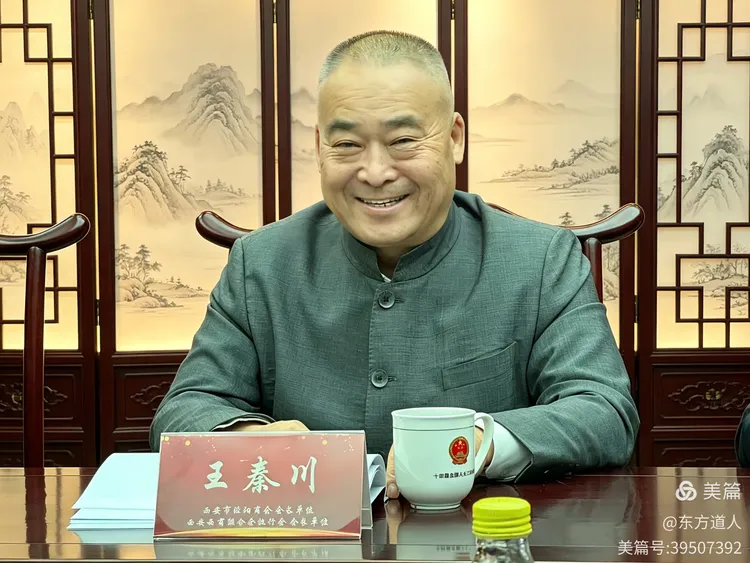
合规为基,方能行稳致远。当前招投标行业监管日趋严格,信用监管体系全面覆盖市场主体,联合惩戒机制常态化落地。行业竞争已然告别低价竞标、资质比拼的粗放模式,迈入合规竞争、风控竞争、程序竞争的全新阶段。为助力会员企业筑牢合规经营底线,精准规避投标法律风险、提升市场化竞争软实力,2026年11月11日,西安市泾阳商会在商会大厦会议室成功举办《投标供应商(企业)法律风险防控》专题培训。本次培训由王秦川会长主持,商会班子成员及各供应商企业负责人积极参训、研学共进。
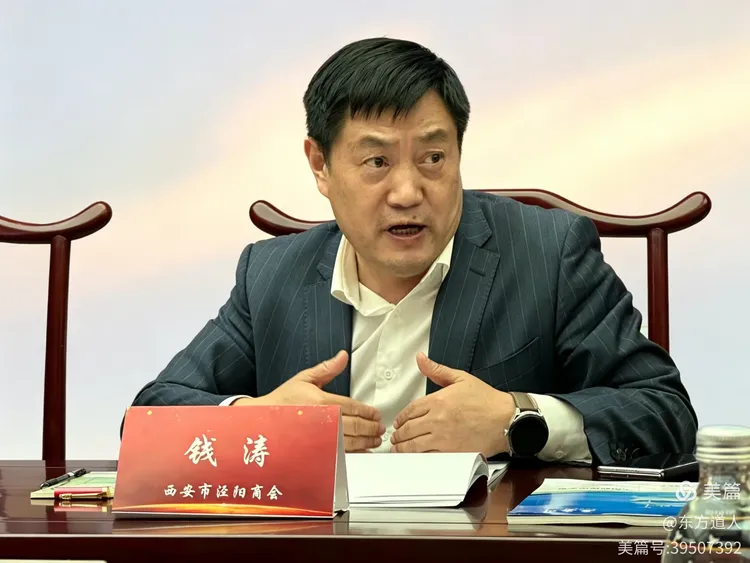
本次培训特邀行业资深权威专家钱涛老师授课。钱涛老师为正高级经济师,深耕公共资源交易与政府采购领域多年,曾任省公共资源交易中心财务处长、采购中心业务处长,具备丰富的一线监管与实操经验。同时潜心行业教研,主编多部十四五规划教材及政府采购法规、内控制度汇编,发表多篇优质行业论文,长期为省级政务单位、大型国企、金融机构开展专项培训,授课专业扎实、贴合实战、指导性极强。
培训紧扣企业经营痛点,深刻剖析当下招投标市场合规形势。如今市场失信惩戒力度持续加大,“一处失信、处处受限”成为行业常态。众多企业因法律风控意识薄弱、操作流程不规范,出现废标罚没、信用降级、市场禁入等问题,错失发展机遇。合规经营已不再是企业的可选加分项,而是立足市场、长效发展的必备底线与核心竞争力。
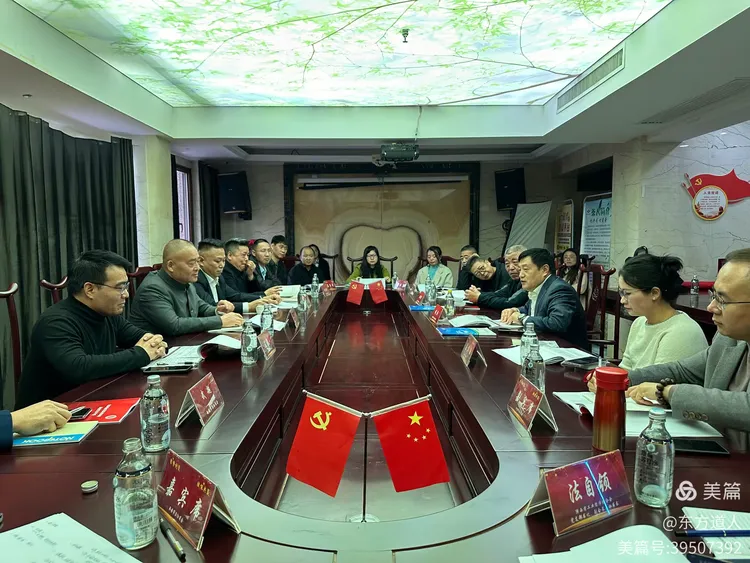
授课中,钱涛老师围绕招投标全流程,系统梳理事前、事中、事后五大风控核心板块,全方位构建企业投标安全防控体系。聚焦投标前置筛查,严把资质准入关口,从源头规避出局风险;规范标书编制标准,坚守资料真实合规底线,杜绝条款遗漏、材料失真等致命问题;细化开评标现场规范,严守行业纪律,杜绝程序性违规;强化中标履约管控,严格落实合同条款,杜绝履约瑕疵;指导企业依法合规维权,理性处理采购纠纷,规避不当维权引发的信用风险,全方位为企业投标经营保驾护航。
为固化培训成果、落地赋能企业发展,商会投标专业委员会同步完善标准化投标研判机制。明确参会准入条件,企业完成项目报名、取得采购回执后方可参与专项研判,同时严格规范资质业绩、中标合同、验收文件、全套招标文件等报审资料标准,保障研判工作严谨高效。
研判会议围绕招标文件深度解析、企标匹配度核验、投标价值论证、中标概率评估四大维度,精准排查项目合规隐患、竞争风险与履约壁垒,科学辅助企业投标决策,杜绝盲目投报,助力企业精准抢抓优质商机。
本次专题培训内容务实、针对性强,有效补齐了会员企业招投标合规短板,提升了企业风险预判、规范经营和科学决策能力,充分彰显了西安市泾阳商会服务会员、赋能企业、助力行业规范发展的责任与担当。
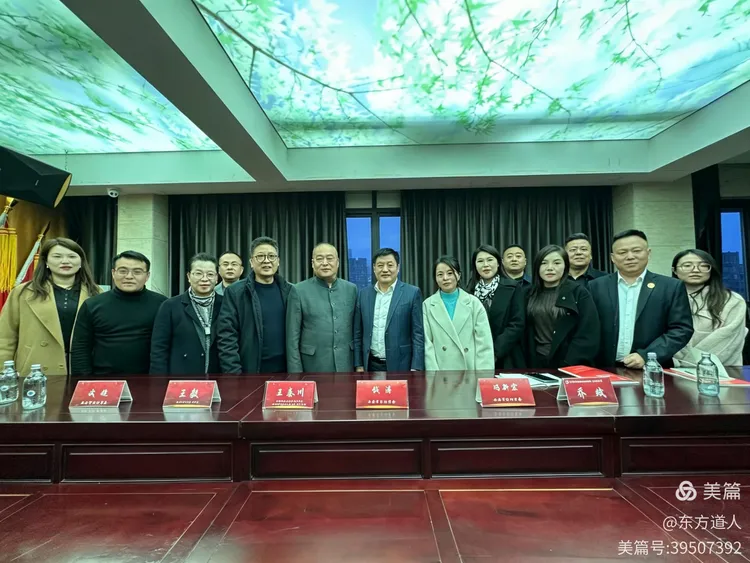
未来,西安市泾阳商会将持续立足企业发展刚需,常态化开展专业化赋能培训与精准帮扶服务,以专业赋能成长、以合规守护发展,引领全体会员企业守法经营、稳健深耕,在规范化的市场竞争中稳步前行、聚力腾飞。(唐文辉 王三周)
Compliance serves as the cornerstone for sustainable, far-reaching development. As oversight of the bidding and tendering sector grows tighter, a credit supervision system now covers all market participants, with joint disciplinary mechanisms in regular operation. The industry has moved past the old, crude model of competition driven by low-price bids and qualification checks. Today, competition hinges on compliance, risk governance and procedural rigour. To help member firms shore up their compliance baseline, mitigate legal risks in bidding and boost their market competitiveness, the Jingyang Chamber of Commerce of Xi’an hosted a special training session titled *Legal Risk Prevention and Control for Bidding Suppliers (Enterprises)* at the Chamber Building on 11 November 2026. President Wang Qinchuan chaired the event. Chamber management and heads of supplier enterprises attended the session to learn and exchange insights.
The training invited Qian Tao, a seasoned and highly regarded industry expert, as the keynote speaker. A senior economist, Mr. Qian has spent years working in public resource trading and government procurement. He previously served as Director of the Finance Division and Director of the Business Division at the Provincial Public Resource Trading Centre, bringing hands-on experience in regulatory oversight and practical workflows. He also stays active in research and training: he is chief editor of several textbooks under the 14th Five-Year Plan, alongside compilations of government procurement regulations and internal control manuals, and has published numerous industry papers. He regularly delivers bespoke training for provincial government bodies, large state-owned enterprises and financial institutions. His sessions are well-grounded, practice-focused and highly actionable.
The training addressed real pain points for businesses and laid out the current compliance landscape in the bidding market. Credit breaches carry heavier penalties than ever, under the widely recognised rule that “one breach of credit brings restrictions everywhere”. Many firms run into trouble because they lack robust legal risk awareness and follow sloppy internal procedures. Consequences can include bid rejection, forfeiture of bid security, credit downgrades and market exclusion, costing them valuable business opportunities. Compliance is no longer an optional extra for enterprises. It is a fundamental requirement and a core advantage for surviving and growing in the market.
During his presentation, Mr. Qian walked participants through five core risk-control areas across the full bidding lifecycle: pre-bidding, during bidding and post-bidding, building a holistic risk safeguard framework for tendering work. He stressed pre-bidding screening to verify qualifications and cut off disqualification risks at the source. He explained how to prepare bidding documents properly, keeping all materials authentic and compliant to avoid costly oversights such as missing clauses or falsified submissions. He also covered behavioural rules for bid opening and evaluation to prevent procedural missteps. After a bid is awarded, contract performance must be closely monitored to honour contractual obligations and avoid performance failures. Finally, he advised firms to enforce their rights lawfully and settle procurement disputes sensibly, so they do not incur credit risks from ill-judged claims. Taken together, this guidance protects businesses throughout the bidding process.
To lock in training gains and deliver tangible support to members, the Chamber’s Bidding Specialised Committee has refined its standardised bid assessment process. Clear entry rules apply: enterprises can join a dedicated assessment only after registering for the project and receiving procurement registration confirmation. Submitted materials — qualification records, performance proof, award contracts, acceptance certificates and complete tender documents — must meet strict standards, ensuring each assessment is thorough and efficient.
Each assessment covers four key areas: deep-dive analysis of tender documents, checks on whether bidder qualifications match tender requirements, assessment of bid viability and an estimate of winning odds. The team flags hidden compliance issues, competitive threats and performance hurdles. This supports sound bidding decisions, stops uninformed bidding and helps companies target high-quality projects wisely.
This practical, targeted training has helped member enterprises fill gaps in bidding compliance. It strengthens their ability to anticipate risks, operate to standard and make informed decisions. It reflects the Jingyang Chamber of Commerce of Xi’an’s commitment to serving its members, supporting local businesses and promoting healthy industry development.
Moving forward, the Chamber will keep responding to the practical needs of enterprises with regular specialised training and tailored support. Professional expertise will fuel growth, and compliance will underpin stable development. The Chamber will guide all members to operate within the law and compete responsibly, so they can advance and thrive in a well-regulated marketplace.
( Tang Wenhui and Wang Sanzhou)